Answer
How big are the maps in Transport Fever 3?
Not bigger than Transport Fever 2. The largest size matches Transport Fever 2's biggest option, and a larger experimental map is being tested but not promised.
Last verified: September 20, 2026
Map size is the most-asked-about number before launch, and the answer is a letdown if you were hoping for something enormous. The largest map in Transport Fever 3 matches the largest one in Transport Fever 2. Urban Games is testing a bigger experimental option, but has explicitly refused to promise it.
Why the map cannot simply get bigger
The explanation the developers gave is arithmetic. Take a 2x2 map and make it 4x4 and the area goes from 4 to 16. The processing cost does not follow the same curve, because every resident, vehicle and pedestrian on that added land is simulated individually.
One producer put a number on the ceiling: to reach a map around 200 by 200 kilometres, the game would have to fake the simulation beyond roughly 10 kilometres. The team does not want to do that, and they do not think players want it either. So the map limit is a design decision, not an engine limit.
If a larger experimental size does ship, expect it to be labelled experimental. That is the wording the developers used.
What changed instead
| Feature | Transport Fever 2 | Transport Fever 3 |
|---|---|---|
| Largest map | Grössenwahnsinnig | Same size |
| Map generation | Seed plus settings | Seed plus sliders, live preview |
| Height map import | Limited | Yes, with terrain painting |
| Biomes | Present | Reworked, new subarctic zone |
| Map editor | Basic | Overhauled, share via mod hub |
Sources: Gamescom hands-on reports and the official First Look: Environment video.
The terrain itself is more demanding than before. The reworked temperate zone puts more mountains and valleys in the way, so a map the same size takes more work to cross. One producer argued the maps feel bigger even though the dimensions have not changed.
Base game maps versus handmade maps
Every map in the base game is generated. Handmade maps are limited to the Deluxe Edition, which includes three: Redrock Bends, Northern Gates and Emerald Shores. Community maps come through the mod hub, and the overhauled map editor is meant to make building them much easier than before.
Starting year
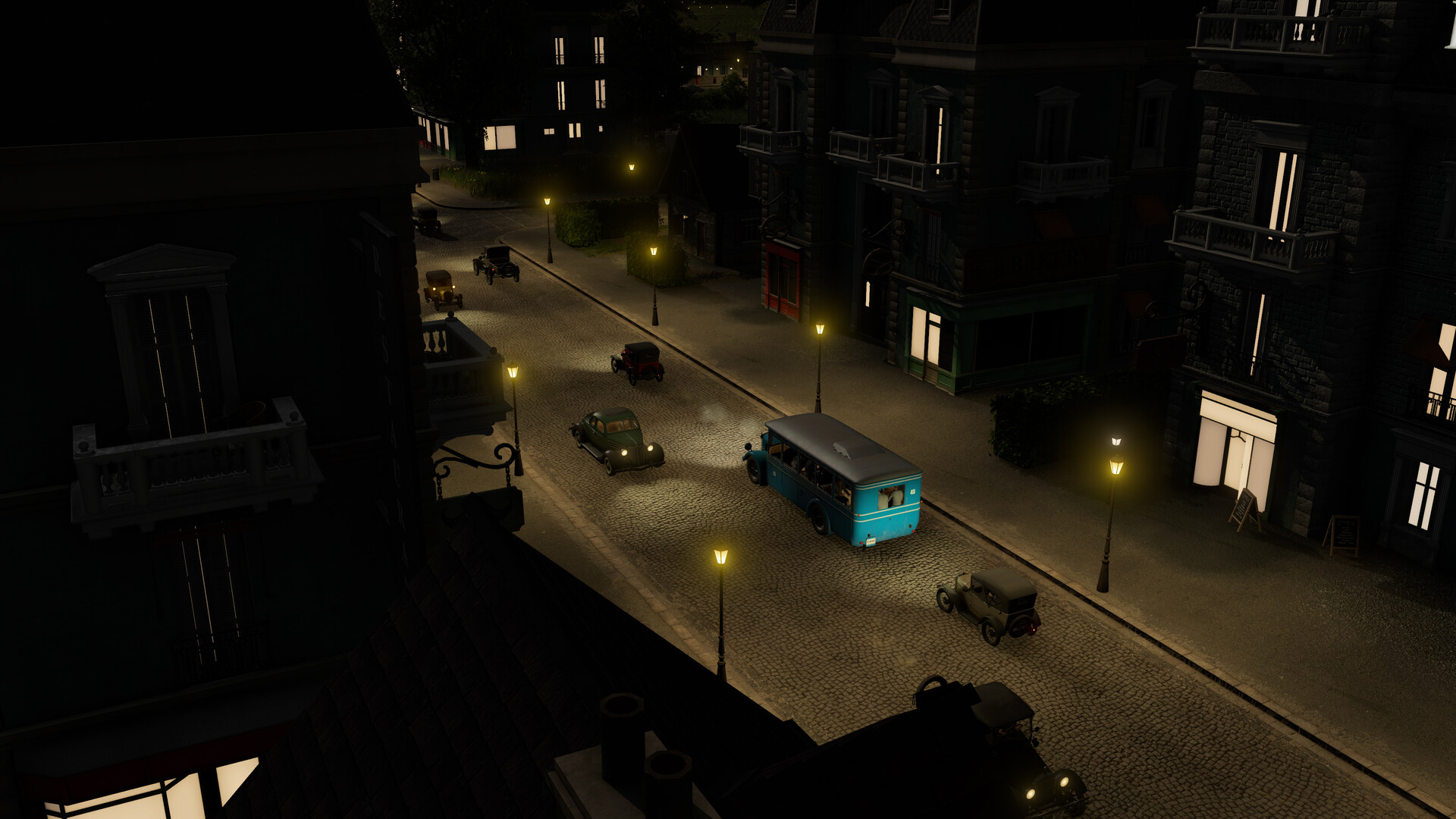
Transport Fever 3 shifts its focus towards the twentieth century. The classic 1850 start is not the headline this time, and players who wanted the full horse-drawn era back have been vocal about it. We will pin down the exact starting year and the campaign timeline once the game ships.
Starting year is marked as pending. Urban Games has described a shift towards the twentieth century but has not published a definitive earliest start date.
The five environments
Maps are built from several regions with distinct biomes, and the way those regions blend is what makes a generated map feel specific rather than generic. Generation runs on node-based technology inside Urban Games' own tools, and the studio has said modders will be able to push it in directions they had not considered.
| Environment | What changed |
|---|---|
| Temperate | Completely rebuilt. Rail along every river bank is gone; you now deal with lakes and tributaries, and reaching the mountains is a separate problem. |
| Tropical | Reworked for island-hopping and jungle routes. Dormant volcanoes are present, and yes, you can put your headquarters in one. |
| Dry | Sheer canyons and dusty mesas, more pronounced than before. Rivers are awkward for shipping but can be the best link between low-lying settlements. |
| Subarctic | New for Transport Fever 3. Snow-capped craggy ranges lead into desolate boreal tundra and then swamps, so one map can demand both mountain and swamp routing skills. |
| Offshore | Offshore industry was added, which gives ships and helicopters a purpose beyond decoration. |
Source: official First Look: Environment, presented by Urban Games community manager Sam.
Day and night, and physical skies
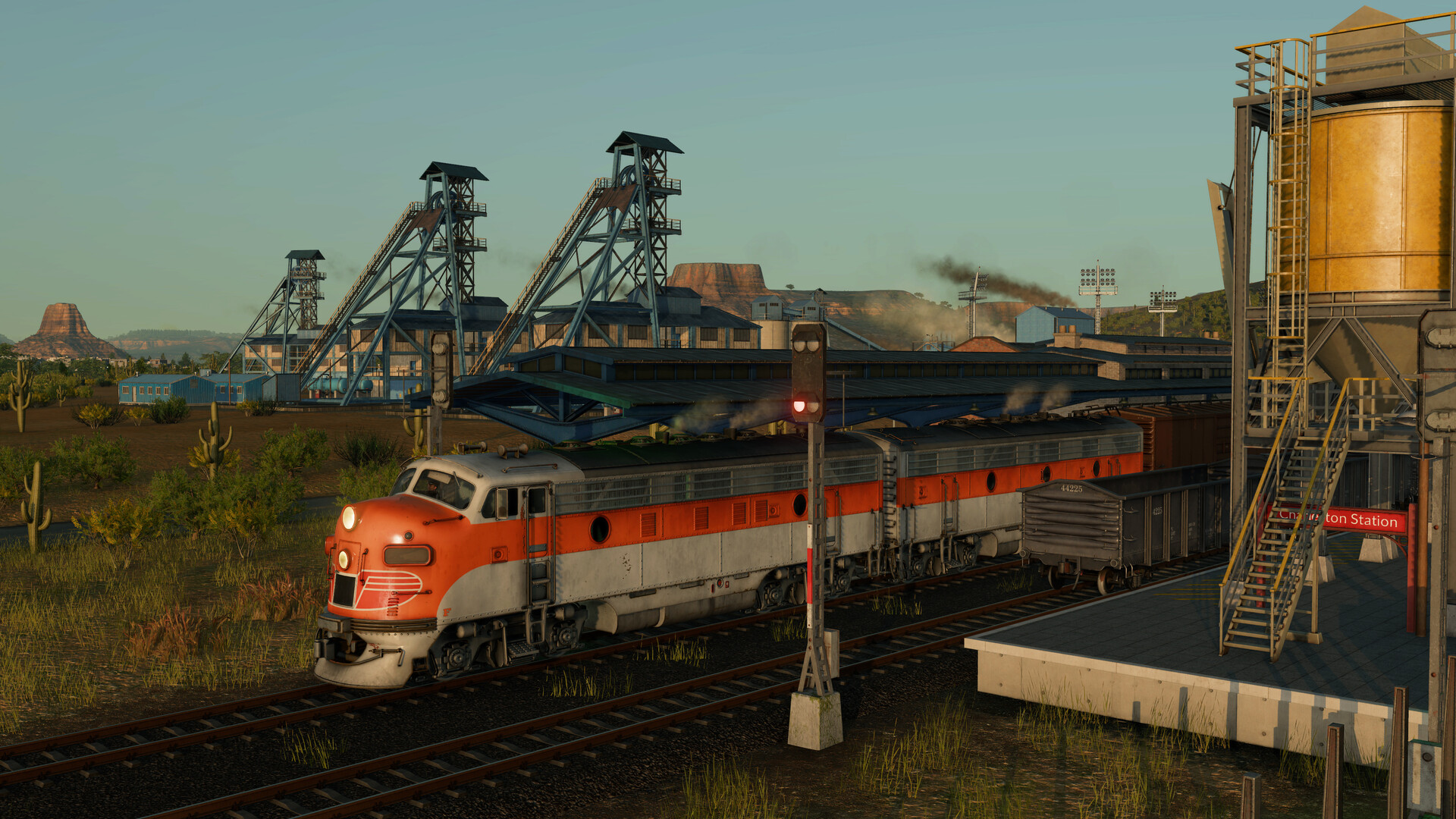
Full day and night modes appear in the series for the first time. Urban Games also added physical skies, so cloud cover visibly changes the lighting, and reflective surfaces such as water mirror the world around them using screen space reflections.
Weather and time are not forced on you. The new options let you set them to your preference or switch them off entirely, which matters if you would rather look at the terrain than at the sky.
Shaping the land has consequences
The landscape is not free to bulldoze. Local populations react badly to heavy modification, and the studio frames the decision as a straight trade: cut a faster straight line to the bottling plant, or follow the contours and save money.
That is also why the map feels different to play in Transport Fever 3 even at the same size. Alpine terrain, lakes and swamps change where a viable route exists at all.
FAQ
Will Transport Fever 3 have bigger maps than Transport Fever 2?
Not at launch. The largest size matches Transport Fever 2. The team is testing an additional experimental size, but they would not commit to shipping it.
Can I import a real-world height map?
Yes. You import a height map, paint terrain colours with a brush, and tell the game what each colour means. The generator then applies its own calculations so the biomes blend properly.
Can all biome types appear on one map?
No. Climate zones are separate. A game does not let you start in Europe and expand into the United States on the same map, and there is no plan for it.
Does the map end at the edge?
Yes. Beyond the playable border the game does not render additional landscape, so you see the map boundary.
Sources: Täglich Angespielt Gamescom Q&A (German), Squirrel hands-on report, Official First Look: Environment. Transport Fever 3 is a trademark of its respective owners.